What to do if your wisdom tooth's nerve is exposed?
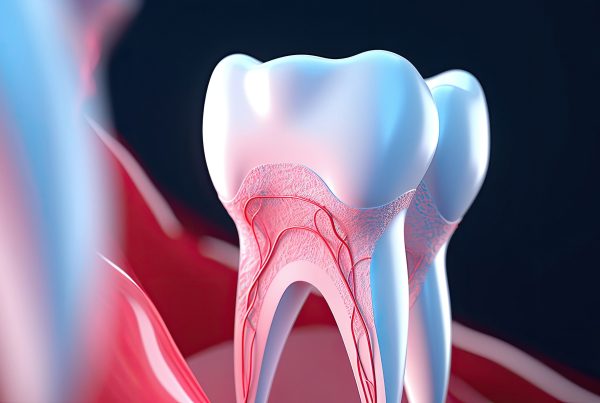
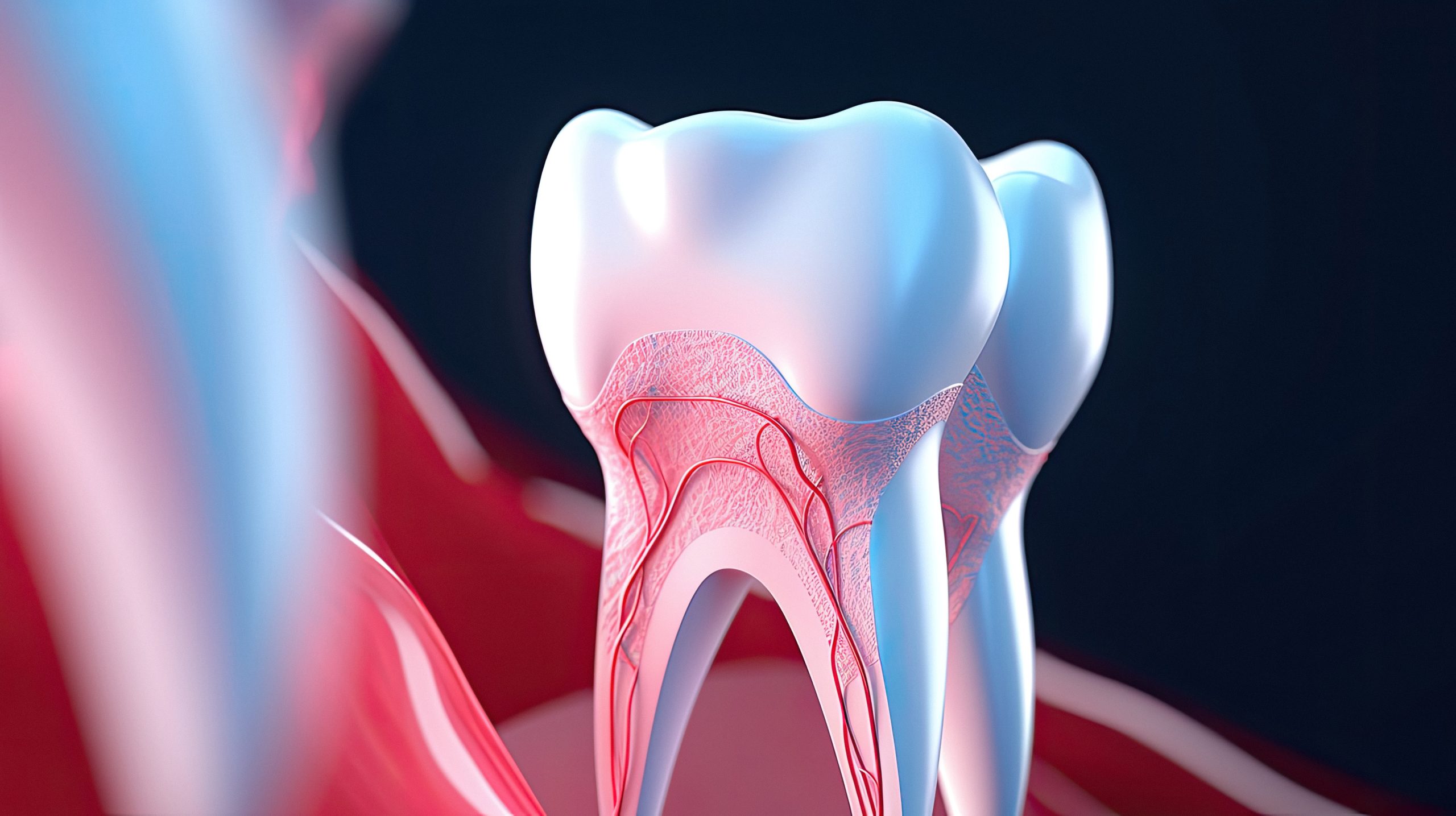
Experiencing a wisdom tooth nerve exposure can be an unexpectedly excruciating ordeal, often accompanied by throbbing pain and heightened sensitivity. Situated at the back corners of the mouth, wisdom teeth, also known as third molars, can sometimes erupt improperly, leading to complications such as nerve exposure. This condition occurs when the protective layers of the tooth are compromised, leaving the nerve endings vulnerable to external stimuli.
The resulting discomfort can range from mild discomfort to intense agony, impacting daily activities and necessitating prompt attention. Understanding the causes, symptoms, and potential treatments of wisdom tooth nerve exposure is crucial in managing this distressing dental issue effectively. Many believe that wisdom teeth only need attention when pain occurs, but silent issues can develop without significant discomfort. Wisdom tooth nerve exposure must be addressed promptly to prevent complications and preserve oral health.
Causes
What are the common causes of wisdom tooth nerve exposure?
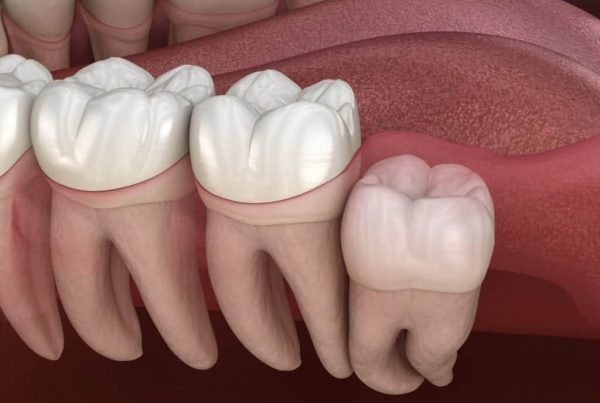
Wisdom tooth nerve exposure typically occurs due to several factors, often related to the misalignment or improper eruption of the third molars. One common cause is insufficient space in the jaw, which can lead to the wisdom teeth becoming impacted or partially erupted. As these teeth attempt to emerge through the gums, they can push against neighboring teeth, causing damage to the protective layers and exposing the nerve.
Additionally, decay or trauma to the tooth can compromise its structure, increasing the likelihood of nerve exposure. Constant pressure from an impacted wisdom tooth can damage adjacent teeth and bone, leading to the formation of cysts. Poor oral hygiene and underlying dental conditions can exacerbate these issues, further predisposing individuals to this painful condition.
Symptoms
What are the symptoms of a wisdom tooth nerve exposure?
Symptoms of a wisdom tooth nerve exposure can vary in severity but often include intense, throbbing pain in the affected area, which may radiate to the surrounding teeth, jaw, or ear. Increased sensitivity to temperature, touch, or pressure, particularly when chewing or biting down, is also common. Swelling, redness, and inflammation of the gums around the affected tooth may occur, along with potential signs of infection, such as pus discharge or a foul taste in the mouth.
Symptoms of a wisdom tooth pressing on a nerve include sharp or shooting pain, tingling, numbness in the lips, chin, or tongue, and difficulty opening the jaw. In some cases, individuals may experience referred pain, meaning discomfort felt in other areas of the head or neck. Persistent discomfort or difficulty opening the mouth fully may indicate a need for prompt dental evaluation and treatment.
What are the potential complications of leaving a wisdom tooth nerve exposure untreated?
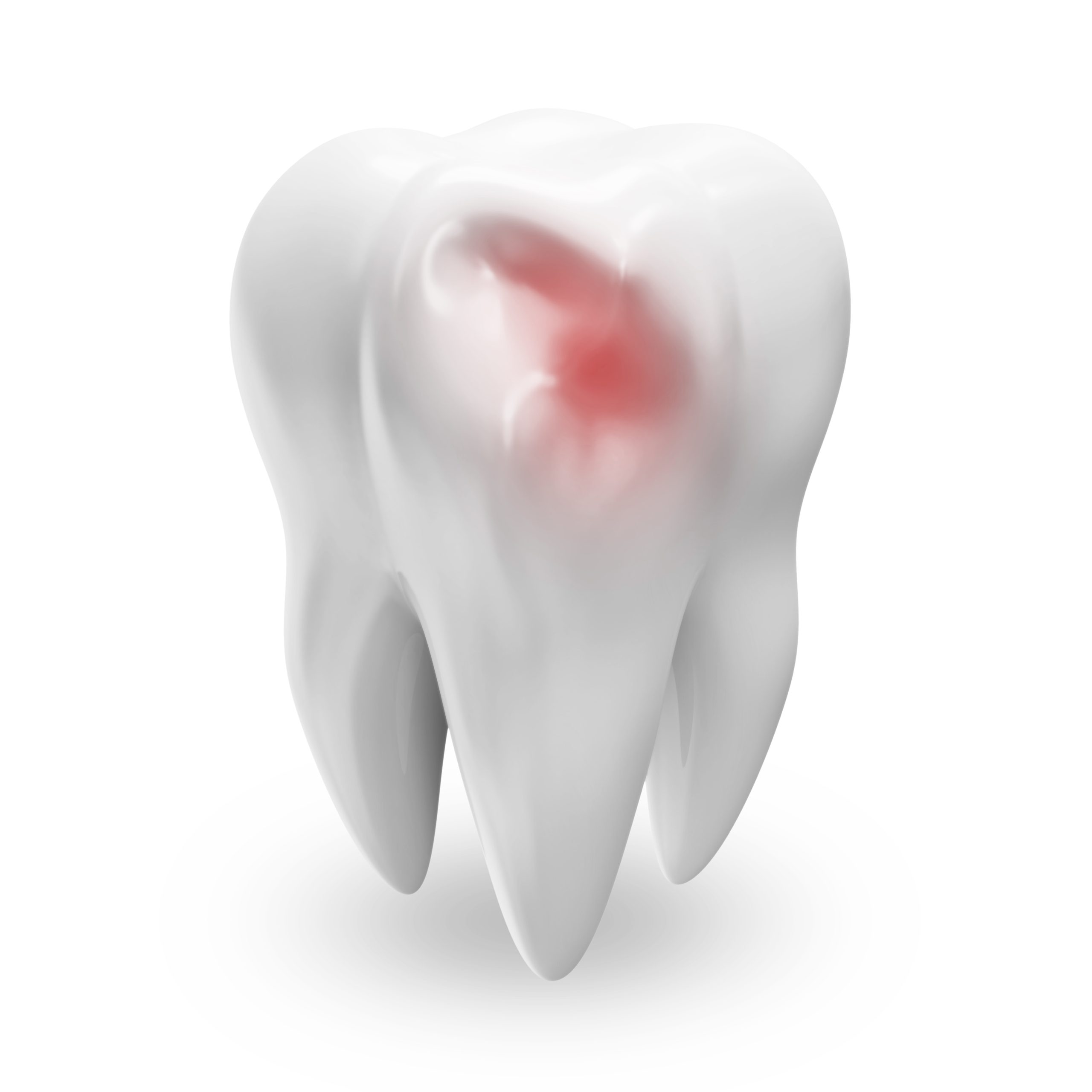
Leaving a wisdom tooth nerve exposure untreated can lead to various complications, some of which can be serious. One significant risk is the potential for infection to develop in the exposed nerve, which can spread to surrounding tissues and even into the bloodstream, causing systemic illness.
Chronic inflammation and infection can also damage adjacent teeth and bone structures, leading to additional dental problems such as decay, gum disease, or bone loss. Additionally, untreated nerve exposure can lead to persistent pain and discomfort, impacting daily activities and quality of life. In rare cases, prolonged nerve exposure may lead to irreversible nerve damage, potentially resulting in numbness or loss of sensation in the surrounding area of the mouth, face, or jaw.
Cysts or tumors can form around impacted wisdom teeth, increasing the risk of nerve compression. Untreated nerve exposure can also lead to nerve injury, leading to symptoms such as numbness, tingling, or chronic pain. If the nerve becomes infected or damaged, root canals may be necessary to save the affected tooth and alleviate pain.
Prompt evaluation and appropriate treatment are essential to prevent these complications and preserve oral health. In severe cases, oral surgery may be required to address the problem and prevent further complications.
What are the available treatment options for wisdom tooth nerve exposure?
The treatment for wisdom tooth nerve exposure depends on the severity of the condition and may include various approaches. Initially, the dentist may recommend pain management techniques such as over-the-counter pain relievers or prescription medications to alleviate discomfort and reduce inflammation. Antibiotics may be prescribed if signs of infection are present.
For cases where the nerve exposure is minor, a dental sealant or filling material may be applied to protect the nerve and promote healing. However, more severe cases may require surgical intervention, such as a root canal procedure to remove damaged tissue and seal off the exposed nerve, or extraction of the affected wisdom tooth if it cannot be salvaged.
Alternative treatments, such as root canal therapy, can alleviate nerve pain without the need for extraction. Wisdom teeth removal is a commonly performed procedure aimed at preventing complications related to nerve exposure and other associated problems.
In complex cases involving nerve involvement, an oral surgeon may be consulted to provide specialized care and ensure optimal outcomes.
The choice of treatment will be determined based on factors such as the extent of the nerve exposure, the presence of infection, and the individual’s overall dental health. Physical therapy may also be recommended after surgery to aid in recovery and restore jaw function.
Determination
How does the dentist determine if a wisdom tooth extraction is necessary in cases of nerve exposure?
The decision to extract a wisdom tooth in cases of nerve exposure is typically based on several factors assessed by the dentist. Firstly, the dentist will evaluate the extent of the nerve exposure and assess whether the tooth can be salvaged through other treatments, such as root canal therapy. They will also consider the patient’s overall dental health, including the condition of the surrounding teeth and gums, as well as any signs of infection or inflammation.
Additionally, the position and alignment of the wisdom tooth, as well as the presence of any overcrowding or impaction, will be taken into consideration. If the tooth is deemed unlikely to heal properly or if there is a high risk of complications such as recurrent infections or damage to adjacent teeth, extraction may be recommended. The dentist will discuss the pros and cons of extraction with the patient and develop a treatment plan tailored to their individual needs and preferences.