



(832) 451-6966
Low Cost and High Quality Wisdom Teeth Removal
Having completed over 25,000 wisdom teeth removals and thousands of safe, successful sedations, our experienced team is fully equipped to handle even the most complex third molar cases.
25,000+
Wisdom teeth removed
1000s
Of successful sedations
1
Unique team
Our Guarantee
Seamless wisdom teeth removal for Houston residents at a low cost
Drawing on more than 15 years of oral surgery experience, Dr. Naderi delivers expert care and a smooth recovery at a price that stays affordable.
Award Winning
Established Team
No Insurance Wisdom Teeth Removal For Houston Residents⚬
No Insurance Wisdom Teeth Removal For Houston Residents⚬
No Insurance Wisdom Teeth Removal For Houston Residents⚬
No Insurance Wisdom Teeth Removal For Houston Residents⚬
No Insurance Wisdom Teeth Removal For Houston Residents⚬
Our  practice is redefining the wisdom teeth
  experience with gentler, less invasive techniques that make treatment
  easier on you.
Frequently Asked Questions
Will Dental Insurance cover my wisdom teeth extractions?
Wisdom teeth extraction costs in Houston are often partially covered by dental insurance, though the specifics vary widely from plan to plan. Most dental insurance providers cover somewhere between 50 and 80 percent of the total cost of the procedure, with patients responsible for the remaining portion. Because coverage details differ, reviewing your individual policy is essential to understand exactly what your plan includes for oral surgery services like wisdom teeth removal.
Sedation coverage is another important piece of the puzzle. Some dental insurance plans include sedation as part of their standard oral surgery benefits, while others require patients to arrange it separately, often at an additional out-of-pocket cost. To avoid surprises, patients considering wisdom teeth removal should contact their insurance provider and consult with their oral surgeon ahead of time. Understanding your coverage, including any sedation options, helps you plan financially and make informed choices about your oral health.
Do Wisdom teeth need to be removed?
Whether or not you need to have your wisdom teeth (also called third molars) removed depends on a handful of factors, and it isn’t something every person requires. These teeth typically make their appearance in the late teens or early twenties, and extraction is often recommended for reasons like the following:
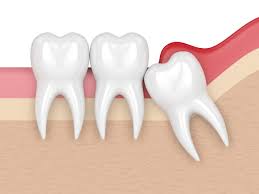
- Impaction: When there isn’t enough room for wisdom teeth to come in properly, they can become trapped in the jawbone, either partially or completely. Impacted teeth often lead to pain, swelling, infections, or damage to the neighboring teeth.
- Misalignment: Wisdom teeth sometimes come in at odd angles or push against nearby teeth, throwing off the alignment of your bite and creating long-term dental issues.
- Decay and Gum Disease: Because wisdom teeth sit so far back in the mouth, they’re notoriously tough to keep clean. That makes them prime targets for cavities and gum disease, which is why many dentists recommend removing them as a preventive step.
- Pain or Discomfort: Even wisdom teeth that aren’t impacted can cause discomfort as they emerge, whether from inflammation, pressure, or irritation of the surrounding gum tissue.
That said, wisdom tooth removal isn’t a one-size-fits-all recommendation. Some people have plenty of space in their jaws for these teeth to grow in without issue. Routine dental check-ups and X-rays are the best way to monitor how your wisdom teeth are developing, and your dentist or oral surgeon can advise on removal based on your unique situation. Speaking with a dental professional is the surest way to determine what’s right for you.
Is wisdom teeth removal considered surgery?
Yes, wisdom teeth removal is a form of oral surgery. You might also hear it referred to by its clinical name, “third molar extraction.” The procedure involves taking out one or more of the third molars, otherwise known as wisdom teeth, that sit at the very back of your mouth.
How involved the surgery is really depends on your situation. Things like how many wisdom teeth you’re having removed, the way they’re positioned, and whether they’re impacted or already broken through the gum all factor in. Some extractions are quick and straightforward, while others may require the oral surgeon to make a small incision in the gums, remove a bit of bone, or split the tooth into pieces to get it out gently.
Even though it’s an extremely common procedure, it’s still called surgery because it involves working with the tissues in your mouth and sometimes stitches to help everything heal. You’ll be in good hands with an oral surgeon or an experienced dentist, and you’ll be kept comfortable with local anesthesia or sedation depending on what works best for you.
If you have wisdom teeth removal coming up, don’t hesitate to ask your dentist or oral surgeon about the details, including your anesthesia options. Knowing what to expect makes the whole experience feel a lot less intimidating.
What can one expect after wisdom teeth removal surgery?
After wisdom teeth removal, individuals can expect some initial swelling, discomfort, and mild bleeding at the extraction sites. The level of postoperative pain varies from person to person, and dentists or oral surgeons typically prescribe pain medications or recommend over-the-counter pain relievers. Ice packs can be applied to the outside of the face to help reduce swelling during the first 24 hours. It’s important to follow postoperative care instructions, which may include avoiding certain foods, maintaining oral hygiene carefully, and refraining from activities that could disrupt the healing process, such as smoking. Some individuals may experience bruising, and a follow-up appointment is often scheduled to monitor healing and ensure there are no complications. It’s crucial to adhere to the prescribed aftercare guidelines and contact the dental professional if there are any concerns or unexpected symptoms.
Can wisdom teeth removal cause ear aches or ear problems?
Yes, wisdom teeth can absolutely be linked to earaches and infections. When wisdom teeth, particularly the lower ones, become impacted or infected, the pain and inflammation don’t always stay put. Because these teeth sit close to the temporomandibular joint (TMJ) and share nerve pathways with nearby structures, discomfort can radiate outward and show up as ear pain. This is known as referred pain, where the ache is felt somewhere other than the actual source of the problem.
Impacted wisdom teeth also create tight pockets around the gum line that are tough to keep clean. Over time, bacteria, food particles, and debris can build up in those spaces, raising the risk of infection in the surrounding tissue. These infections often cause localized pain and swelling, and if they aren’t addressed, they can spread to other nearby areas, including the ears.
If you’re dealing with earaches alongside wisdom teeth pain, or you suspect an infection is brewing, it’s important to see a dentist or oral surgeon as soon as possible. A thorough exam and imaging can pinpoint what’s going on, and your provider can recommend the right course of treatment, which may include extraction and follow-up care to clear the infection.
Can wisdom teeth removal affect the shape of your face?
The removal of wisdom teeth itself is not typically expected to significantly change the overall shape of the face. However, there are some considerations to keep in mind:
- Swelling: Immediately after wisdom teeth removal, there may be some swelling in the facial tissues, especially around the jawline. This is a normal part of the healing process and is temporary. The swelling usually subsides within a few days to a week.
- Changes in Jawline: In some cases, if wisdom teeth are causing significant misalignment or crowding of the other teeth, their removal might be part of a broader orthodontic or dental treatment plan. In such cases, orthodontic adjustments or other dental procedures might contribute to changes in the alignment of the teeth, which could have some subtle effects on the appearance of the jawline.
It’s important to note that any changes in facial appearance due to wisdom teeth removal are typically minor and temporary. If you have concerns or specific questions about how wisdom teeth removal might impact your facial structure, it’s recommended to discuss them with your oral surgeon or dentist, who can provide personalized information based on your individual case.
Can wisdom teeth removal lead to an infection?
Wisdom teeth removal is generally a safe and routine procedure, but as with any surgery, there’s a small risk of infection. Infections can develop when bacteria enter the surgical site and aren’t properly controlled. Several factors can raise that risk after your extraction:
- Poor Oral Hygiene: Skipping proper oral hygiene after surgery is one of the biggest contributors to infection. Keeping the surgical sites clean and following the postoperative care instructions from your oral surgeon or dentist is essential.
- Impacted or Infected Wisdom Teeth: If your wisdom teeth were impacted or already infected before the procedure, bacteria may already be present in the surrounding tissue. Careful management of the extraction site and any pre-existing infection helps prevent complications.
- Compromised Immune System: Patients with weakened immune systems tend to be more prone to post-surgical infections. Certain medical conditions or medications can reduce the body’s ability to fight bacteria effectively.
- Smoking: Tobacco use slows healing and significantly increases the risk of infection. Avoiding smoking after your extraction is one of the smartest steps you can take.
To keep your risk of infection as low as possible, closely follow the postoperative instructions from your dental team. That often includes taking any prescribed antibiotics, maintaining good oral hygiene, and steering clear of activities that could introduce bacteria to the healing sites. If you notice warning signs such as worsening swelling, persistent pain, or unusual discharge, contact your dentist or oral surgeon right away for evaluation and treatment.
Can wisdom teeth shift your other teeth?
Yes, wisdom teeth can potentially cause shifting of other teeth. Wisdom teeth, also known as third molars, typically emerge in the late teens or early twenties. When these teeth come in, they may not have enough space to fully erupt properly, leading to various issues.
- Crowding: The most common way wisdom teeth can impact other teeth is by causing crowding. If there isn’t sufficient space for the wisdom teeth to emerge, they may push against the adjacent molars, causing them to shift out of their normal alignment.
- Misalignment: Wisdom teeth that come in at an angle or are impacted (partially or fully trapped beneath the gum and jawbone) can exert pressure on nearby teeth, leading to changes in their positioning.
- Orthodontic Issues: Individuals who have undergone orthodontic treatment to straighten their teeth may find that the emergence of wisdom teeth can disrupt the alignment achieved through braces or other orthodontic procedures.
To prevent potential shifting or crowding of teeth, dentists or orthodontists may recommend monitoring the development of wisdom teeth and, in some cases, proactively considering their removal. Regular dental check-ups and X-rays are essential for assessing the impact of wisdom teeth on the overall dental alignment. If wisdom teeth are causing issues, extraction may be recommended to preserve the alignment and health of the surrounding teeth.